Experiential Marketing for Small Brands: 12 Ideas That Build Loyalty
12 affordable experiential marketing ideas for small brands, from ritual partnerships to pop-ups, AR and gamified loyalty, plus 2026 data and how to measure.

Experiential marketing is any live or interactive moment where people use, feel or take part in your brand instead of just seeing an ad. For small brands, the best ideas plug into routines people already have, such as a run club, a Saturday market or a school pickup line, and make that moment better. You do not need a big set or a big budget. You need a real role in a real moment and a way to keep the relationship going afterward.
Key takeaways
- In EventTrack 2026, 61 percent of consumers said they were more inclined to buy after a live experience.
- Ritual beats spectacle: partner with routines your audience already values.
- Small brands win with local partners, sampling, workshops and community-led moments.
- Capture emails or SMS opt-ins at every activation, or most of the value disappears when the event ends.
In this guide
- Why does experiential marketing work in 2026?
- What makes an experience memorable instead of forgettable?
- What are 12 experiential marketing ideas small brands can afford?
- How much does experiential marketing cost for a small brand?
- How do you measure experiential marketing?
- Which experiential ideas fit which goals?
- Frequently asked questions
Why does experiential marketing work in 2026?
People trust what they can touch. In the EventTrack 2026 study from Event Marketer and Sparks, 61 percent of consumers said they were more inclined to purchase after a live experience, 59 percent felt more positive about the brand, and 34 percent said their most recent event interaction was with a brand they did not already know or use.
That last number matters for small brands. Events put you in front of people who would never have found you in a feed. One honest caveat, which Channel Partners points out: these are self-reported numbers, not tracked sales. That is why every idea below includes a way to measure it.
Watch out for old stats. Figures like "85 percent buy after an event" or "98 percent are more inclined to purchase" come from studies run in 2015 and 2018, as Lume Studios notes. Use current numbers when you pitch events to a partner or investor.
What makes an experience memorable instead of forgettable?
The best activations we see share one move: they attach the brand to a ritual people already care about. In fall 2026, Yoplait Skyr partnered with four Dublin run clubs and four local cafes so runners got a breakfast pot and co-branded coffee after their route, backed by posters, chalk art and out-of-home ads, as Adworld reported. The product had a real job in the moment. Runners were hungry. The brand fed them.
Compare that to a branded backdrop in a mall. One adds value to a moment. The other asks for attention.

What are 12 experiential marketing ideas small brands can afford?
1. Partner with a community ritual
Run clubs, book clubs, church brunch, Sunday markets, youth sports. Offer something useful at the moment it is needed most.
2. Host a workshop, not a party
Teach something your audience wants to learn. A skincare brand teaches a routine; a real estate agent hosts a first-time buyer night. People stay longer and remember more.
3. Do a cafe or shop takeover
Borrow a local business for a day. Co-branded cups, a custom menu item and your packaging on the counter cost far less than building your own space.
4. Run a sampling route
Pick three to five places your customers already gather and show up consistently. Consistency beats one big day.
5. Turn a holiday into a retail moment
Seasonal events give people a reason to visit. eMarketer covered how Halloween became a test bed for experiential retail in 2026. A small shop can do the same with a themed weekend and a photo moment.
6. Bring back play
Games and challenges make people stay. Tea brand CHAGEE built a playtime-themed campaign in Singapore around that idea, as Marketing-Interactive reported. Scavenger hunts, stamp cards and punch-card challenges work at any size.
7. Add an AR try-on or filter
Augmented reality used to be a big-brand tool. Today, simple Instagram and TikTok effects or a product visualizer on your site let people try before they buy. For Crush Customs, we built a K5 configurator with 19 colorways on their Webflow site so shoppers could design their interior online.
8. Launch with a moment
A new product, location or brand is news. Make the launch something people can attend, not just read about. See how to launch a rebrand without losing customers.
9. Build a merch moment
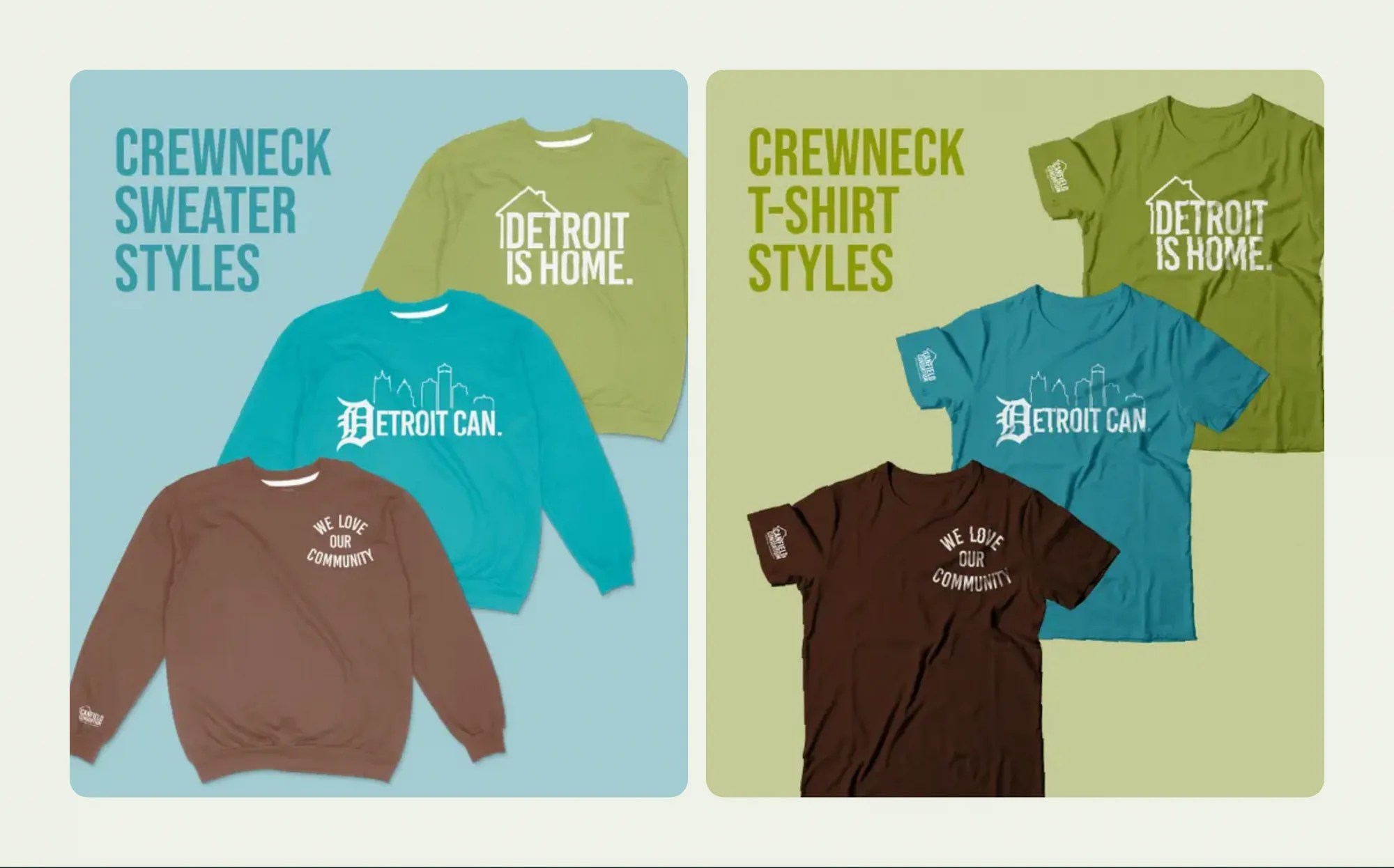
Limited merch at an event gives people a reason to come and something to wear afterward. Merch was a core part of the community rebrand for the Detroit Canfield Consortium.
10. Co-host with a complementary brand
Two small brands with the same customer can split costs and audiences. Our guide to food and beverage brand collaborations shows how to pitch one.
11. Invite creators to co-create
Give local creators early access and a role in the experience. They bring the audience and the content. See creator marketing for small businesses.
12. Gamify loyalty after the event
Turn attendees into members with a points or perks program delivered by text or email. This is where the event pays for itself.
How much does experiential marketing cost for a small brand?
A local partnership, workshop or sampling route can run from a few hundred to a few thousand dollars in product, printing and staff time. A branded pop-up with custom build-outs costs much more. Our stance: start with partnerships and rituals, prove the model, and only then build a space.
How do you measure experiential marketing?
- Opt-ins captured: Emails and SMS subscribers collected at the event, with clear consent.
- Redemption: Unique codes or QR offers used within 30 days.
- Content: Posts, tags and creator content generated.
- Sales lift: Compare event weeks to normal weeks at the same location.
The follow-up is where most brands lose the value. Send a welcome flow within 24 hours. Our welcome email sequence template works well for event sign-ups, and our guide to SMS consent rules covers how to collect phone numbers the right way.
Which experiential ideas fit which goals?
| Goal | Best ideas |
|---|---|
| Awareness with new audiences | Ritual partnerships, sampling routes, co-hosted events |
| Trust and education | Workshops, demos, AR try-ons |
| Sales | Launch moments, limited merch, event-only offers |
| Loyalty | Gamified programs, member nights, creator co-creation |
For Gen Z audiences especially, real-world moments carry weight. See how to market to Gen Z and how we built a campaign for the Dose of Beauty skincare launch.
Frequently asked questions
What is experiential marketing in simple terms?
It is marketing people take part in, like events, pop-ups, workshops, sampling or interactive digital experiences, instead of marketing they only watch or read.
Is experiential marketing worth it for small businesses?
Yes, when it is tied to a clear goal and a follow-up plan. Small brands get the most value from local partnerships and workshops that capture opt-ins and lead to repeat visits.
What is the difference between event marketing and experiential marketing?
Event marketing is about hosting or sponsoring an event. Experiential marketing is broader and includes any interactive brand moment, including AR try-ons, retail takeovers and gamified loyalty.
How do I get people to show up to a brand activation?
Go where they already are. Partnering with an existing community, creator or local business solves the attendance problem before it starts.
Keep reading
Creator Marketing for Small Businesses: A 2027 Playbook How small businesses can work with creators in 2027: finding the right partners, budgets, briefs, content rights and measuring results without a big agency.
Brand Collaboration Examples: 12 Partnerships and What Small Brands Can Learn 12 recent brand collaboration examples, from Gap x KATSEYE and Rare Beauty x Tajín to Pop-Tarts x Liquid Death, and the lessons small brands can use.
How to Market to Gen Z in 2027: What Actually Builds Loyalty How to market to Gen Z in 2027: what the latest research says about discovery, trust, AI content and loyalty, plus a practical playbook for small brands.
Food and Beverage Brand Collaborations: Examples and How to Pitch One Food and beverage brand collaboration examples from 2026, why mashup flavors go viral, and a step-by-step guide to pitching and launching your own collab.
Want a campaign people talk about?
We plan and produce brand campaigns, activations and content systems for growing brands.

Erika Gardner, Founder and Chief Strategist, The Vibe Curator co.
Erika Gardner founded The Vibe Curator co. in 2016. She leads brand strategy, websites, email and SMS, and fractional CMO work for growing brands from offices in Houston and Atlanta.
Read Also