Creator Marketing for Small Businesses: A 2027 Playbook
How small businesses can work with creators in 2027: finding the right partners, budgets, briefs, content rights and measuring results without a big agency.

Creator marketing means partnering with people who have earned the trust of an audience so they can introduce, explain or use your product in their own voice. For small businesses, the smartest approach is to work with a small group of micro and local creators over several months, give them a clear brief and creative room, secure the rights to reuse their content, and measure results with codes, links and sign-ups rather than views alone.
Key takeaways
- U.S. creator ad spend was projected at $37 billion in 2025, up 26 percent year over year, according to IAB.
- Long-term partnerships with a few creators beat one-off posts from many.
- The brand owns the promise and guardrails. Creators own the language and rhythm.
- Always negotiate usage rights so creator content can power ads, email and your website.
In this guide
- Why does creator marketing matter so much now?
- What kind of creators should a small business work with?
- How do you brief a creator without killing the creativity?
- How much should a small business budget for creators?
- How do you measure creator marketing?
- When should creator marketing be led by a fractional CMO?
- Where does creator content fit with TikTok, Gen Z and commerce?
- Frequently asked questions
Why does creator marketing matter so much now?
Creators have become one of the main ways people discover brands. The IAB 2025 Creator Economy Ad Spend and Strategy Report projected U.S. creator ad spend at $37 billion in 2025, growing 26 percent year over year. At Advertising Week New York 2026, marketers from Chili's, Disney, Alaska Airlines and Target talked about how far the creator canvas has expanded, from sponsored posts into storytelling, activations and commerce, as Marketing Dive reported.
The signal for small businesses is not "spend more on influencers." It is that the old sequence of brief, produce, publish and report impressions is too slow for how people now find brands. Creators are a living distribution layer with a point of view.
What kind of creators should a small business work with?
| Creator type | Typical audience | Best for |
|---|---|---|
| Nano | Under 10K followers | Local trust, high engagement, product seeding |
| Micro | 10K to 100K | Niche authority, steady content, good value |
| Mid-tier | 100K to 500K | Launches and regional reach |
| Macro and celebrity | 500K and up | Big moments, usually outside small budgets |
For most of our clients, nano and micro creators deliver the best return. Look for creators whose comments are full of real questions, whose audience overlaps your customer, and whose content style fits your brand without you having to change it.
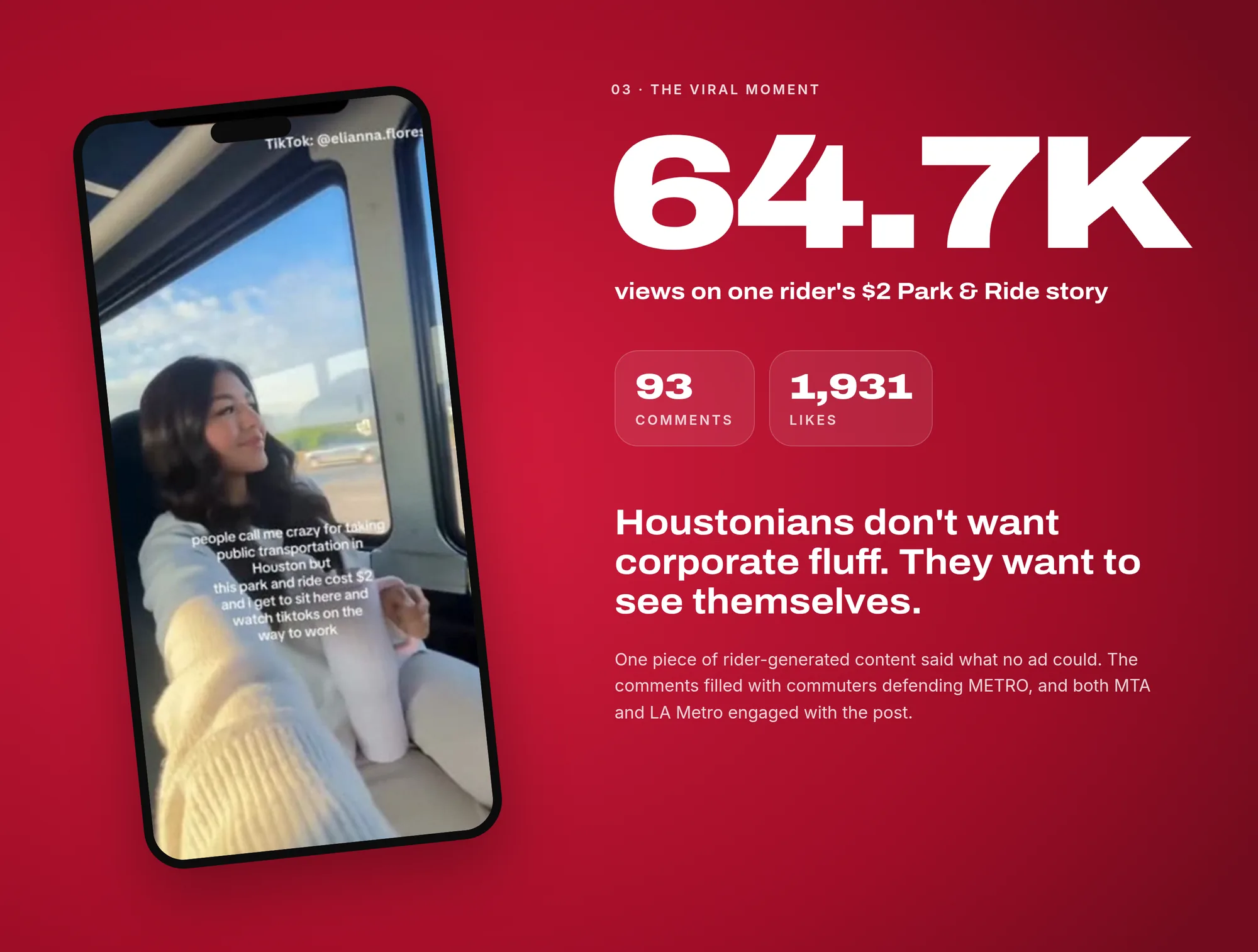
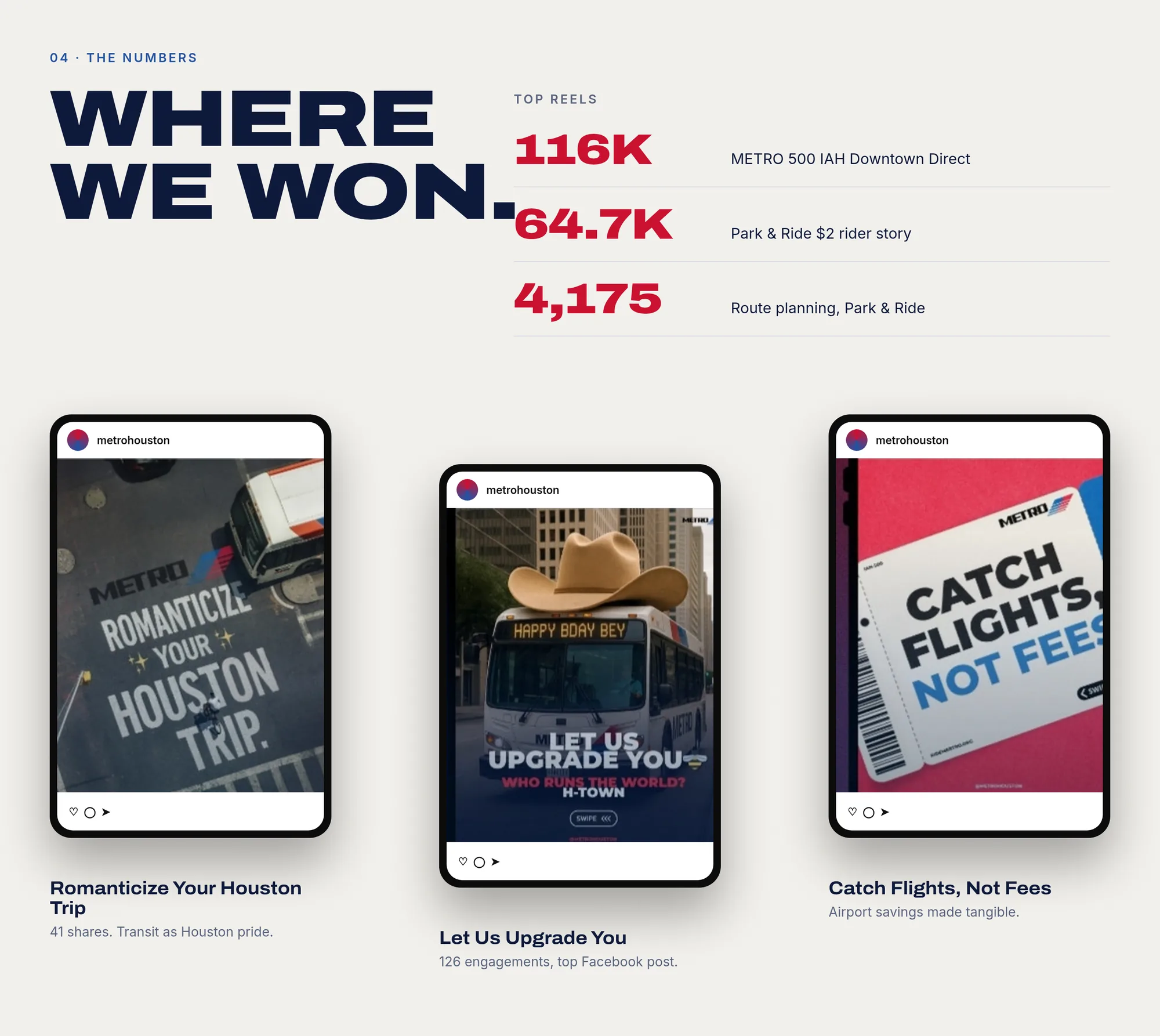
Your own customers count, too. For Houston METRO, a user-generated content program and a real rider story about the $2 Park and Ride reached 64.7K views, because a real person explained the value better than an ad could.
How do you brief a creator without killing the creativity?
A strong content system gives the brand a clear center and leaves room for different voices to interpret it. Your brief should cover:
- The one thing to communicate. One message per piece.
- Who it is for. Describe the viewer, not the demographic.
- Must-haves. Product shown in use, disclosure, link or code, posting window.
- Guardrails. Claims they cannot make, words to avoid, competitor rules.
- Freedom. Format, hook, script and setting should be theirs.
At Advertising Week, Urban Outfitters was cited for giving musician Willow meaningful creative control. The lesson is not to copy a celebrity deal. It is to decide in advance where control should be shared. That decision sits with whoever owns your brand standards, which is why we include creator guidance in our brand guidelines work.
How much should a small business budget for creators?
Rates vary by platform, niche and usage rights. Gifting can work for nano creators who already love the product. Paid posts from micro creators often range from a few hundred to a few thousand dollars. Our stance: commit a fixed monthly budget for three months with three to five creators, rather than spending the same amount on a single big post. Repetition builds trust.
Do not skip usage rights. Paying for 90 days of rights to run a creator's video as an ad, in email or on your product page often costs less than producing new content, and it is usually the best-performing creative you will have.
How do you measure creator marketing?
- Unique discount codes and tracked links per creator
- Email and SMS sign-ups from creator traffic
- Saves, shares and comment questions, which signal intent better than views
- Paid performance when you whitelist or reuse creator content as ads
Measurement is still messy across the industry. Even IAB's 2026 work on creator measurement describes structural gaps. Build your own simple tracking from day one.
When should creator marketing be led by a fractional CMO?
Creator programs touch brand, content, paid media, email and sales. When no one owns the whole system, creators get one-off briefs and the results stay fuzzy. A fractional CMO can set the strategy, budget and measurement while your team or agency runs day to day. If you are weighing the options, read fractional CMO vs agency vs in-house.
Where does creator content fit with TikTok, Gen Z and commerce?
Creators are the native language of TikTok and the main way Gen Z discovers products. See TikTok marketing for small businesses and how to market to Gen Z. When creator content becomes shoppable, it turns into commerce. More on that in shoppable video and content commerce. For a creator program that also needs a content engine, our digital content services cover production and reuse.
Frequently asked questions
What is the difference between influencer marketing and creator marketing?
The terms overlap. Influencer marketing usually focuses on reach and endorsement. Creator marketing puts more weight on the content itself and the creator's role as a storyteller, educator or collaborator.
How do I find local creators for my business?
Search location tags and local hashtags on Instagram and TikTok, check who already tags you, and ask your best customers who they follow. Local creators often respond best to a personal invite and a product they can genuinely use.
Do creators need to disclose paid partnerships?
Yes. In the U.S., the FTC expects clear disclosure of any material connection, including free products. Use platform paid-partnership tools and clear words like ad or sponsored.
How long should a creator partnership last?
Plan for at least three months. Audiences need to see a product more than once before they trust it, and creators get better at talking about your product over time.
Keep reading
What Is a Fractional CMO? Cost, Scope and When to Hire One What a fractional CMO does, how much one costs, what is included, when to hire one and how to tell if your business is ready.
TikTok Marketing for Small Businesses: A Practical 2027 Guide A practical TikTok marketing guide for small businesses in 2027: what changed with the U.S. joint venture, what to post, creators, TikTok Shop and measurement.
How to Market to Gen Z in 2027: What Actually Builds Loyalty How to market to Gen Z in 2027: what the latest research says about discovery, trust, AI content and loyalty, plus a practical playbook for small brands.
Experiential Marketing for Small Brands: 12 Ideas That Build Loyalty 12 affordable experiential marketing ideas for small brands, from ritual partnerships to pop-ups, AR and gamified loyalty, plus 2026 data and how to measure.
Need senior marketing leadership without a full-time hire?
Our fractional CMO engagements start at $5,000 a month and include strategy, planning and hands-on oversight.
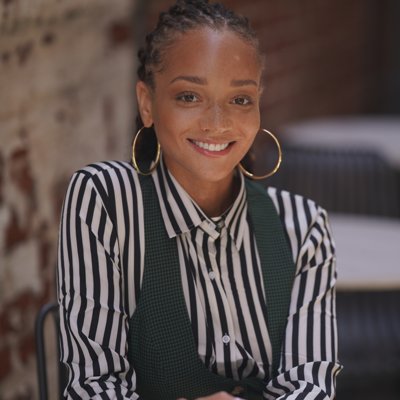
Erika Gardner, Founder and Chief Strategist, The Vibe Curator co.
Erika Gardner founded The Vibe Curator co. in 2016. She leads brand strategy, websites, email and SMS, and fractional CMO work for growing brands from offices in Houston and Atlanta.
Read Also


