Brand Collaboration Examples: 12 Partnerships and What Small Brands Can Learn
12 recent brand collaboration examples, from Gap x KATSEYE and Rare Beauty x Tajín to Pop-Tarts x Liquid Death, and the lessons small brands can use.
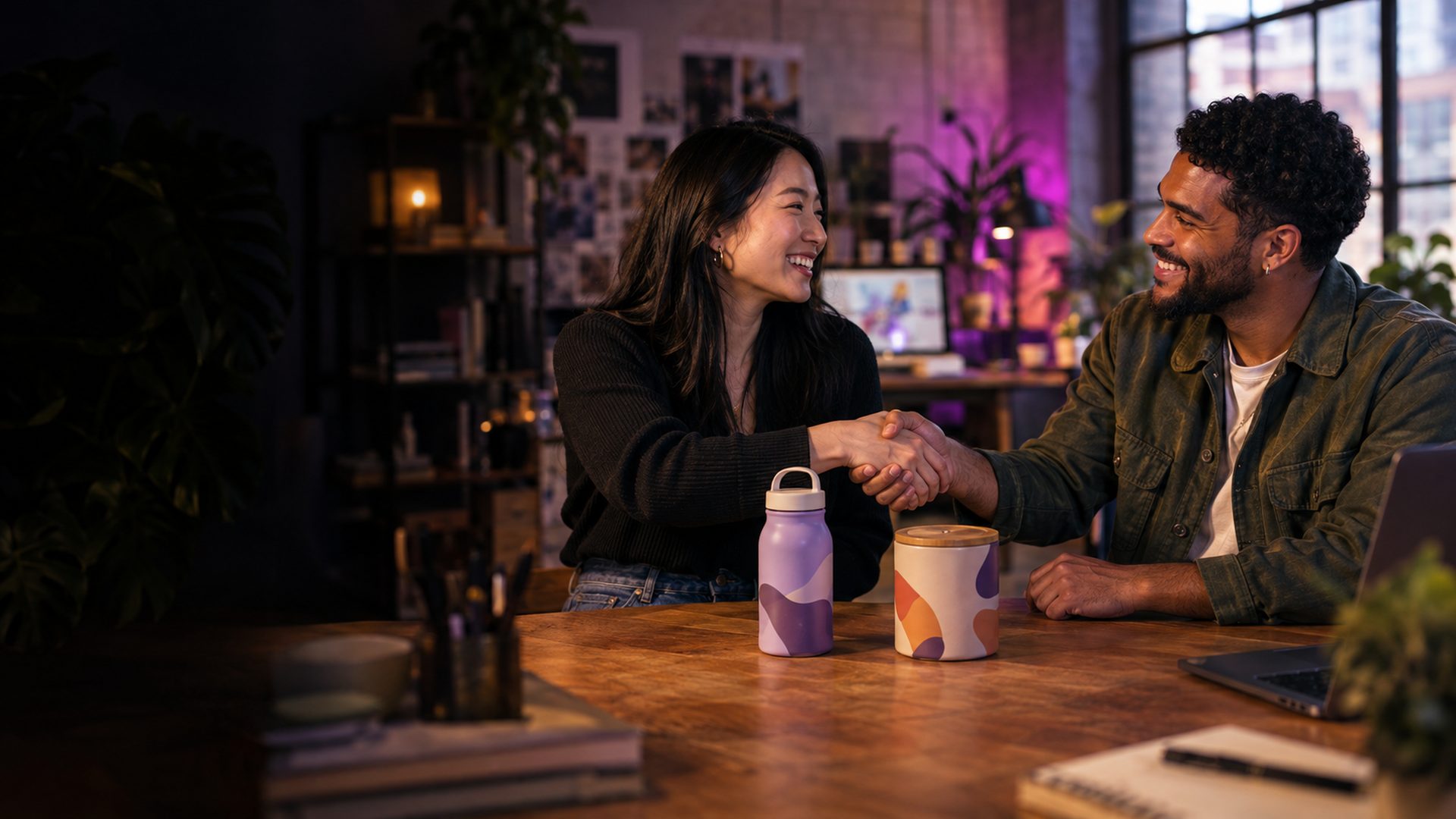
The best recent brand collaborations pair two brands that share an audience but bring different strengths, then turn the partnership into something people can buy, wear, eat or join for a limited time. Gap x KATSEYE, Rare Beauty x Tajín and NikeSKIMS all show the same pattern: a genuine cultural link, a clear product or moment, and a reason to act now. Small brands can use the same playbook at a local scale.
Key takeaways
- Great collaborations start with a real shared audience, not just two famous logos.
- Limited editions create urgency, and urgency creates conversation.
- Many of the best collabs started small, in comments, fan requests or local pride.
- Small brands can partner with neighbors, suppliers and creators using the same structure.
In this guide
- What makes a brand collaboration work?
- Which collaborations show the power of culture and music?
- Which collaborations show the power of starting small?
- Which collaborations show the power of two big brands joining forces?
- Which collaborations show the power of entertainment and licensing?
- Which collaborations show the power of nostalgia and mashups?
- Which collaborations show the power of a creator or chef?
- How can a small brand plan its own collaboration?
- Frequently asked questions
What makes a brand collaboration work?
Every strong collaboration answers three questions: Why these two brands? Why now? Why should anyone care? When those answers are obvious, the collab sells itself. When one of them is fuzzy, it reads as a logo swap. Here are 12 recent partnerships that got the answers right, grouped by what they teach.
Which collaborations show the power of culture and music?
1. Gap x KATSEYE "Better in Denim" (2025)
Gap cast global girl group KATSEYE dancing to a re-recorded version of Kelis's 2003 hit "Milkshake." According to The One Club's case summary, the campaign drove 400 million plus views in its first two weeks, 250K plus user recreations and 8 billion plus impressions. Marketing Dive reported that it contributed to double-digit growth in Gap's denim category.
Lesson: Nostalgia plus a new generation is a powerful pairing. Give people something to recreate, and they will market it for you.
Which collaborations show the power of starting small?
2. Rare Beauty x Tajín (2025)
Selena Gomez's Rare Beauty launched a limited-edition Cheek and Lip Set inspired by Tajín's Clásico seasoning and Chamoy sauce, as announced on PR Newswire. The origin story on Rare Beauty's Substack is the best part: Tajín commented on a playful Rare Beauty post, the brands went back and forth, and the partnership grew from there.
Lesson: Collaborations can start in the comments. Pay attention to which brands already interact with you.
3. Like Air x Freestyle Snacks (2026)
Puffcorn brand Like Air teamed with Freestyle Snacks on a limited Spicy Dill Pickle flavor sold through its TikTok Shop and website, as Prepared Foods reported. Two growing brands, one trend, a bundle that introduces each brand to the other's fans.
Lesson: You do not need a giant partner. Two challenger brands can split the cost and double the reach.
Which collaborations show the power of two big brands joining forces?
4. NikeSKIMS (2025)
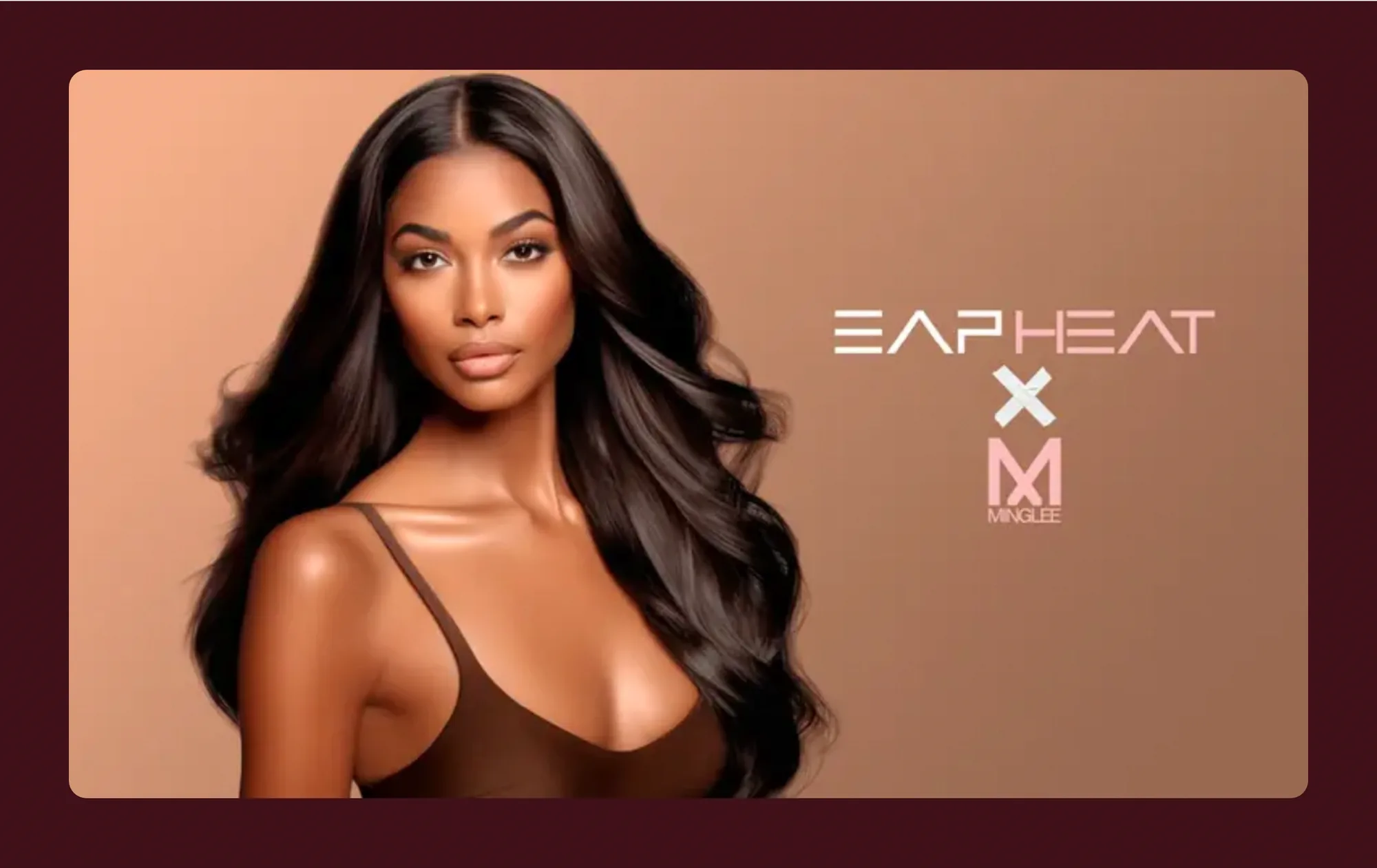
Nike and SKIMS launched NikeSKIMS in September 2025 as a long-term brand, not a one-off drop, with a debut collection across seven lines, according to Nike's newsroom.
Lesson: When a collaboration works, consider turning it into an ongoing line instead of a single release.
5. Pop-Tarts x Liquid Death (2026)
The brands first teamed on a Pop-Tart flavored Liquid Death iced tea, then followed with a Frosted Orange Pop-Tart inspired by Liquid Death's orange sparkling water, as Food Dive reported.
Lesson: Run it back. A second collab lets both brands build on what fans already loved.
6. Pringles x Miller Lite (2026)
Pringles brought back its divisive beer-inspired flavors and added a new one for summer 2026, according to Parade.
Lesson: Divisive can be good. Debate is engagement.
Which collaborations show the power of entertainment and licensing?
7. Kraft String Cheese x The Cat in the Hat (2026)
Kraft put The Cat in the Hat on limited-edition String Cheese packs ahead of the film's release, which also marked the packaging debut of its mascot Stringy, as covered by Bleeding Cool.
8. A-Sha x SpongeBob (2026)
Noodle brand A-Sha launched three SpongeBob character ramen cups tied to the franchise's new film, according to Prepared Foods.
Lesson for both: Packaging is media. A limited design can turn an everyday product into a collectible.
Which collaborations show the power of nostalgia and mashups?
9. Mother's Cookies x Nerds (2026)
Frosted Circus Animal cookies topped with Nerds candy, exclusive to Walmart, according to Snack and Bakery.
10. GoNanas x Little Bites (2026)
A better-for-you banana bread mix inspired by Little Bites blueberry muffins, launched at Target, as reported by Snack and Bakery.
11. Pretzelized x Crayola (2026)
A back-to-school multipack with colorable packaging and crayons in every box, available at Target and Whole Foods, according to Snack and Bakery.
Lesson: The packaging itself can be the experience.
Which collaborations show the power of a creator or chef?
12. Target Good and Gather x Roy Choi
Target's private label partnered with James Beard Award-winning chef Roy Choi on a limited line of sweet and savory snacks, as covered by Sporked.
Lesson: A respected creator or expert adds credibility a brand cannot buy with ads. More on this in creator marketing for small businesses.
How can a small brand plan its own collaboration?
- List brands your customers already buy. Overlap matters more than size.
- Find the cultural link. A shared city, heritage, ritual or joke.
- Pick a format. Limited product, bundle, co-hosted event or content series.
- Set terms in writing. Costs, revenue split, who owns customer data and content rights.
- Plan the launch together. Shared posts, a creator push, email to both lists and a live moment. See experiential marketing ideas.
Food and beverage brands have their own playbook. See food and beverage brand collaborations. If you are targeting younger shoppers, pair this with how to market to Gen Z. And when the collab drops, make sure your site can handle the traffic, with tips in shoppable video and content commerce.
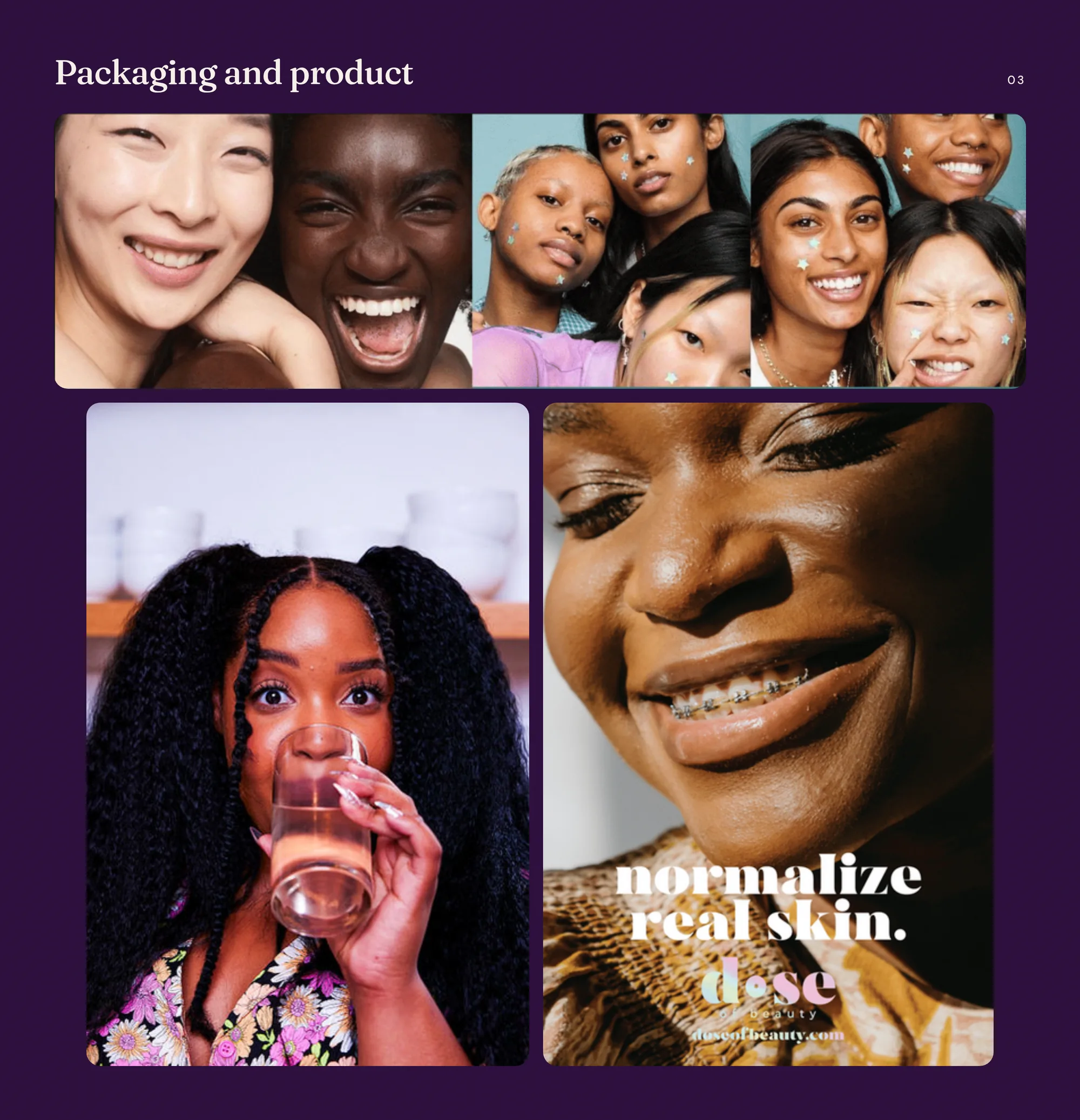
When we built the Dose of Beauty Gen Z skincare campaign, the same principle applied: lead with culture, then make it easy to buy. See more of that thinking in our portfolio.
Frequently asked questions
What is a brand collaboration?
A brand collaboration is a partnership where two or more brands create a product, campaign or experience together, combining their audiences and strengths.
How do small brands find collaboration partners?
Look for brands your customers already buy, local businesses with the same audience and brands that already engage with your content. Start with a short pitch that explains the shared audience and the idea.
Who pays for a brand collaboration?
It varies. Many small collaborations split production and marketing costs and share revenue by an agreed percentage. Put costs, revenue split, data ownership and content rights in writing before you launch.
Should a collaboration be limited edition?
Usually, yes. A limited window creates urgency and conversation. If it performs well, you can bring it back or turn it into an ongoing line.
Keep reading
Food and Beverage Brand Collaborations: Examples and How to Pitch One Food and beverage brand collaboration examples from 2026, why mashup flavors go viral, and a step-by-step guide to pitching and launching your own collab.
Experiential Marketing for Small Brands: 12 Ideas That Build Loyalty 12 affordable experiential marketing ideas for small brands, from ritual partnerships to pop-ups, AR and gamified loyalty, plus 2026 data and how to measure.
Creator Marketing for Small Businesses: A 2027 Playbook How small businesses can work with creators in 2027: finding the right partners, budgets, briefs, content rights and measuring results without a big agency.
How to Market to Gen Z in 2027: What Actually Builds Loyalty How to market to Gen Z in 2027: what the latest research says about discovery, trust, AI content and loyalty, plus a practical playbook for small brands.
Want a campaign people talk about?
We plan and produce brand campaigns, activations and content systems for growing brands.
Erika Gardner, Founder and Chief Strategist, The Vibe Curator co.
Erika Gardner founded The Vibe Curator co. in 2016. She leads brand strategy, websites, email and SMS, and fractional CMO work for growing brands from offices in Houston and Atlanta.
Read Also


