Food and Beverage Brand Collaborations: Examples and How to Pitch One
Food and beverage brand collaboration examples from 2026, why mashup flavors go viral, and a step-by-step guide to pitching and launching your own collab.

A food and beverage brand collaboration is a co-branded product, flavor or menu item created by two brands for a limited time. They work because they create novelty, borrow trust from a familiar name and give people something to try and talk about. The strongest recent examples, like United Dairy Farmers x Grippo and Little Moons x Candy Kittens, came from local pride or direct fan requests, which is a playbook small brands can copy.
Key takeaways
- Mashup flavors and limited runs create urgency and social content.
- Regional pride and fan requests are the strongest starting points for small brands.
- Local restaurants, bakeries and bars make great partners for menu collabs.
- Agree on costs, revenue, data and content rights before anything goes into production.
In this guide
- Why do food collaborations go viral?
- What are good examples of food and beverage collaborations?
- What types of food collaborations can a small brand do?
- How do you pitch a food or beverage collaboration?
- What should a collaboration agreement cover?
- How do you market a food collab launch?
- Frequently asked questions
Why do food collaborations go viral?
Food is the most shareable product category there is. A strange flavor combination invites a reaction video, a debate and a dare. Limited-edition runs add urgency. And familiar brands lower the risk of trying something new. Heat, pickles and sweet-salty mashups have been especially strong. Heluva Good and Grillo's Pickles teamed up on a dill pickle dip, as Prepared Foods noted, and pickle and spicy flavors keep showing up across the snack aisle.
What are good examples of food and beverage collaborations?
United Dairy Farmers x Grippo's (Cincinnati)
Family-owned ice cream maker UDF and Cincinnati snack company Grippo's created Fun Food Crunch, a buttered popcorn ice cream with a Bar-B-Q spiced caramel swirl, sold in a co-branded pint at local Kroger stores and UDF locations, according to Snack and Bakery.
Why it matters for small brands: It is local pride in a pint. Two hometown brands, one shared audience, no national budget required.
Little Moons x Candy Kittens
Mochi brand Little Moons launched a Sour Watermelon flavor with Candy Kittens in direct response to fan requests on TikTok, as reported by Grocery Trader.
Why it matters: Your comments section is a product roadmap.
Bulleit x Mike's Hot Honey
The whiskey and hot honey pairing came to life through local restaurant collabs in Austin, New Orleans and Los Angeles, including a limited sandwich at Ggiata Delicatessen, according to the brands' announcement.
Why it matters: National brands are borrowing local credibility. Local restaurants can offer the same thing to emerging brands.
Pop-Tarts x Liquid Death
A second collaboration, a Frosted Orange Pop-Tart inspired by Liquid Death's orange sparkling water, followed their first iced tea collab, as Snack and Bakery reported. When a partnership works, run it back.
For more cross-category examples, including Rare Beauty x Tajín, see 12 brand collaboration examples.
What types of food collaborations can a small brand do?
| Format | Example | Effort |
|---|---|---|
| Menu item | Your sauce on a local restaurant's special | Low |
| Bundle | Your coffee plus a bakery's pastry box | Low |
| Co-hosted event | Tasting night, pairing dinner, pop-up | Medium |
| Co-branded product | A shared flavor or limited SKU | High |
Start with a menu item or bundle. It tests the partnership before anyone invests in packaging. Event ideas are in experiential marketing for small brands.
How do you pitch a food or beverage collaboration?
- Pick partners your customers already love. Ask them directly or check what they tag.
- Lead with the shared audience. "Our customers are your customers" is the strongest opening line.
- Bring a specific idea. A flavor, a dish or an event, with a name and a date.
- Show the promotion plan. Posts, email to both lists, creators and in-store signage.
- Keep the first one small. A two-week menu special is easier to say yes to than a new SKU.
What should a collaboration agreement cover?
- Who pays for ingredients, packaging, photography and promotion
- Revenue split and how sales are tracked
- Who owns the customer data and email sign-ups
- Content rights for photos and video
- Approval rights on the use of each brand's logo
- Food safety, labeling and any required regulatory review
Have an attorney review anything beyond a simple menu special.
How do you market a food collab launch?
Treat it like a drop. Tease it a week ahead, announce on both brands' channels on the same day, seed it with local food creators (see creator marketing for small businesses), and send an SMS to subscribers when it goes live. Food and beverage brands also benefit from a strong content engine on TikTok.
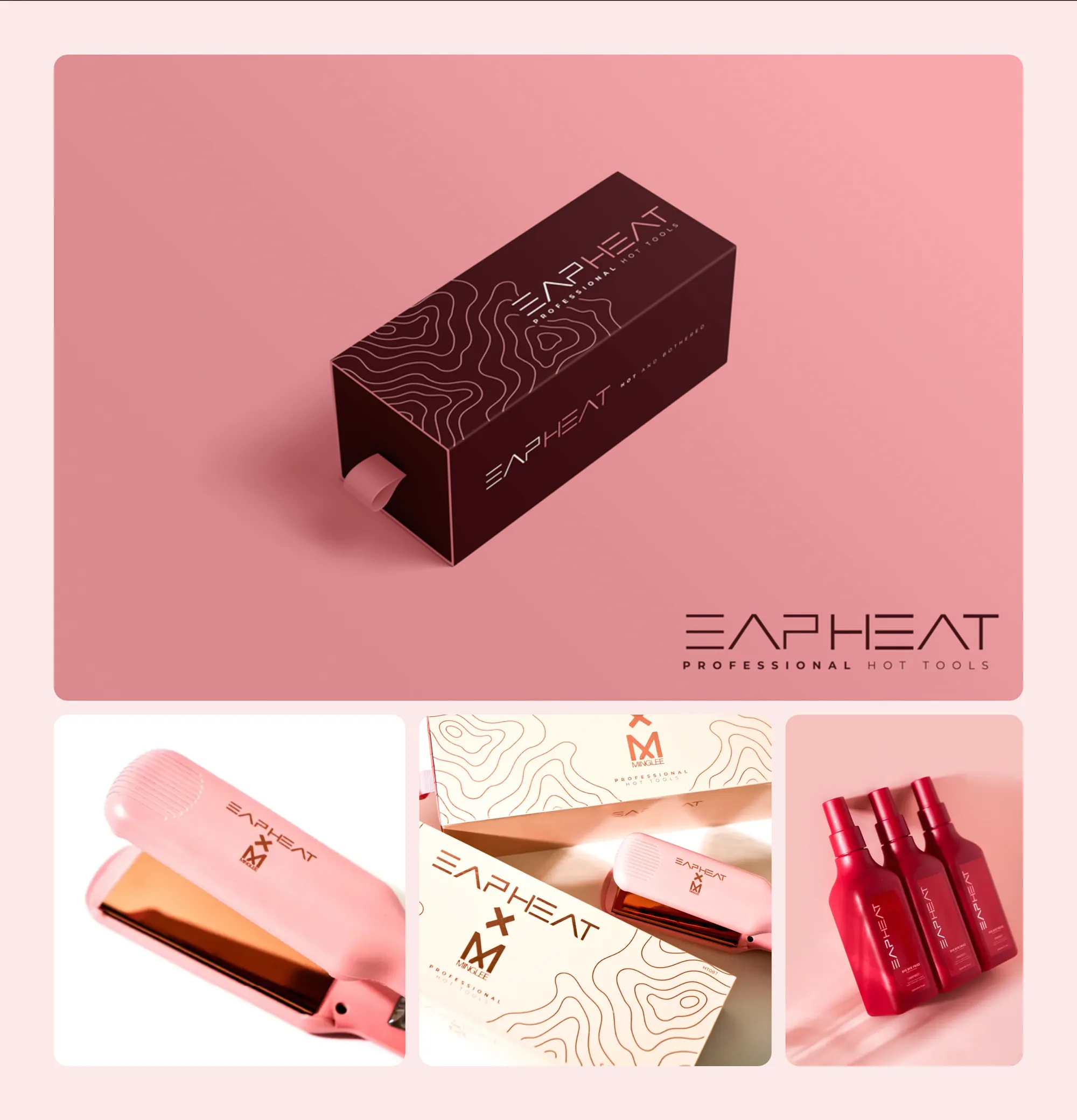
A good collaboration still needs a strong brand underneath it. If your packaging and identity are not ready for the spotlight, start with the branding guide for small businesses. The EAP HEAT refresh is an example of packaging built to stand out on the shelf.
Packaging carries collab energy onto the shelf. See what is in a brand identity package and beauty brand marketing for how a visual system scales across products.
Frequently asked questions
What is a food brand collaboration?
It is a co-branded product, flavor, menu item or event created by two food or beverage brands, usually for a limited time.
How do small food brands find collaboration partners?
Start with local businesses that share your customers, such as restaurants, cafes, bakeries and bars. Fan requests and brands that already engage with you online are also strong leads.
Do food collaborations need special labeling?
Co-branded packaged foods must meet the same labeling and food safety rules as any product. Review requirements with your co-packer and an attorney before production.
How long should a food collaboration run?
Two to eight weeks is typical for a limited menu item or flavor. Short runs create urgency and make it easier to bring the collab back later.
Keep reading
Brand Collaboration Examples: 12 Partnerships and What Small Brands Can Learn 12 recent brand collaboration examples, from Gap x KATSEYE and Rare Beauty x Tajín to Pop-Tarts x Liquid Death, and the lessons small brands can use.
Experiential Marketing for Small Brands: 12 Ideas That Build Loyalty 12 affordable experiential marketing ideas for small brands, from ritual partnerships to pop-ups, AR and gamified loyalty, plus 2026 data and how to measure.
Creator Marketing for Small Businesses: A 2027 Playbook How small businesses can work with creators in 2027: finding the right partners, budgets, briefs, content rights and measuring results without a big agency.
TikTok Marketing for Small Businesses: A Practical 2027 Guide A practical TikTok marketing guide for small businesses in 2027: what changed with the U.S. joint venture, what to post, creators, TikTok Shop and measurement.
Want a campaign people talk about?
We plan and produce brand campaigns, activations and content systems for growing brands.

Erika Gardner, Founder and Chief Strategist, The Vibe Curator co.
Erika Gardner founded The Vibe Curator co. in 2016. She leads brand strategy, websites, email and SMS, and fractional CMO work for growing brands from offices in Houston and Atlanta.
Read Also


