Brand Guidelines: What to Include, With Examples
What brand guidelines should include, how long they should be and how to make them usable, with a section-by-section template for small businesses.

Brand guidelines are a practical rulebook that shows anyone how to use your brand correctly. They should cover your brand story and positioning, logo usage, color, typography, imagery, voice and tone, and real examples of templates in use. For a small business, the best guidelines are short, visual and specific enough that a new hire or freelancer can create on-brand work without asking.
Key takeaways
- Include: story, logo rules, color, type, imagery, voice and real examples.
- Short and visual beats long and theoretical. Ten to twenty pages is plenty for most small businesses.
- Do and do not examples prevent most brand mistakes.
- Update guidelines when the brand evolves, and make them easy to find.
In this guide
Why do small businesses need brand guidelines?
Because you will not always be the one making the flyer. As soon as a second person touches your marketing, consistency depends on whether they know the rules. Guidelines protect the money you spent on your identity and save hours of back and forth. They are the foundation of brand management.
What sections should brand guidelines include?
1. Brand story and positioning
One page: who you serve, what you promise and what makes you different. This gives every design choice a reason.
2. Logo usage
- Primary logo and approved variations
- Clear space and minimum sizes
- Approved backgrounds
- Do not: stretch, recolor, add effects or rearrange
3. Color
Primary, secondary and neutral colors with HEX, RGB and CMYK values, plus guidance on proportions. A common rule is about 60 percent dominant color, 30 percent secondary and 10 percent accent.
4. Typography
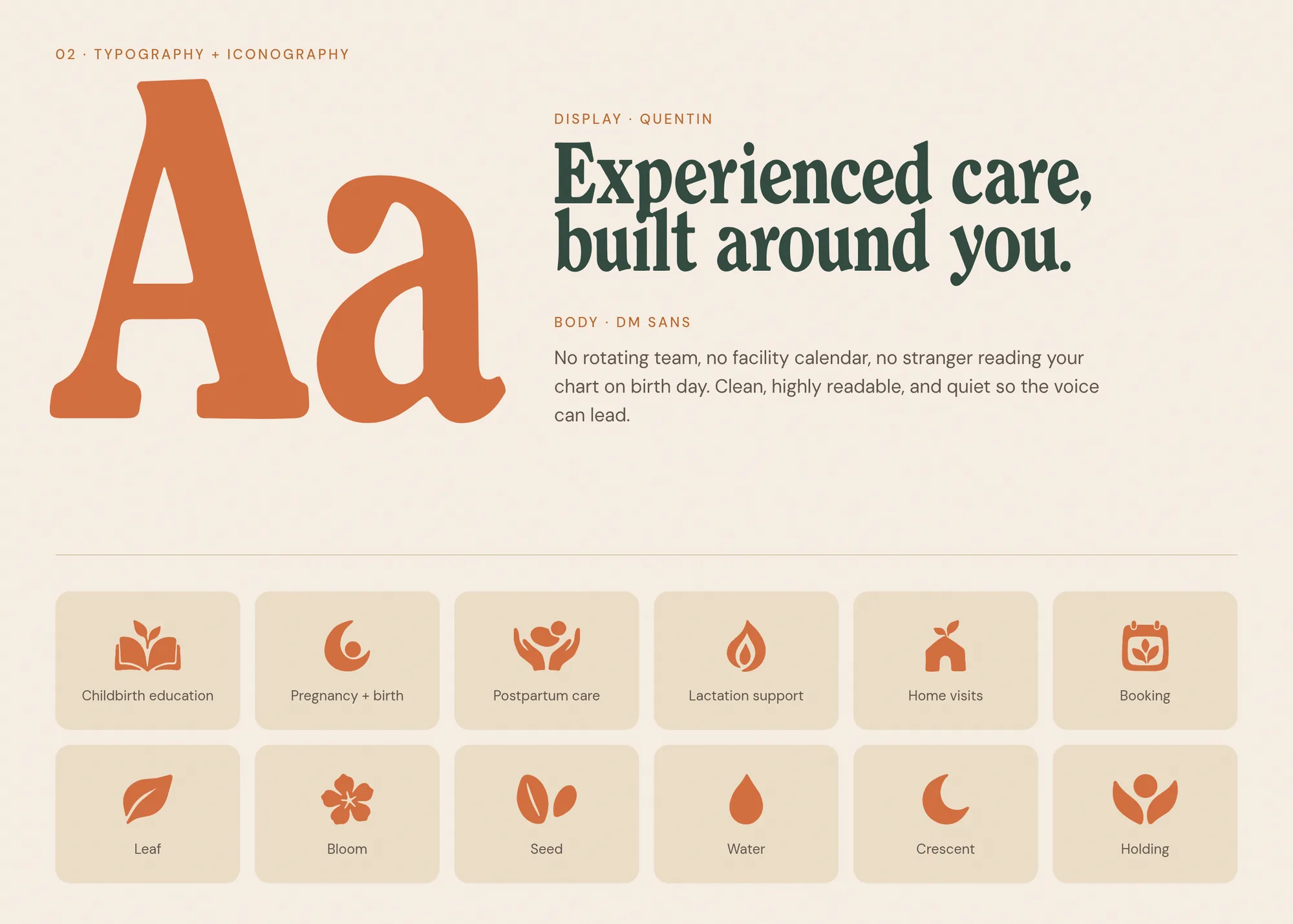
Heading and body fonts, weights, sizes and spacing for web and print, plus a fallback font for tools that do not support your brand fonts.
5. Imagery
Photo style, subject matter, lighting, cropping and editing. Include examples of what fits and what does not.
6. Voice and tone
Three to five voice traits with examples, words you use and words you avoid, and how tone shifts between social, email and customer service. For example, our own guidelines ban em dashes in all agency copy, a small rule that keeps our writing recognizable.
7. Templates and applications
Show the brand in real use: social posts, a slide, an email header, packaging, signage. Examples teach faster than rules.
8. Creator and partner guidance
What creators and partners can and cannot do with your brand. See creator marketing for small businesses.

How long should brand guidelines be?
For most small businesses, 10 to 20 pages. Large organizations need more, but long guides often go unread. If a section does not change how someone creates content, cut it.
What does good look like in practice?
When we managed the brand for Aunt Jackie's Curls and Coils, now sold in more than 89 countries, clear rules for packaging, imagery and voice were what kept the brand consistent across markets and partners. For EntrepreNOW, the guidelines defined how the upward-arrow logo and Poppins type system should work across the website, social and client materials.
Where should brand guidelines live?
- A shared PDF for quick reference
- A shared folder with logo files, fonts and templates
- Locked templates in Canva or your design tool
- A link pinned in your team chat or onboarding docs
Tip: Templates do more for consistency than any rule. If the correct version is the easiest version to use, people will use it.
How do you keep guidelines up to date?
Review them once a year, and any time you launch a new product, channel or campaign style. Run a quarterly brand consistency audit to see where people are drifting, then fix the guideline or template that caused it. Our guide to keeping your brand consistent across channels goes deeper.
Guidelines come at the end of an identity project. If you are still building that identity, read what is included in a brand identity package and the complete branding guide. Not sure how consistent you are today? Take the Brand Gut Check.
Frequently asked questions
What is the difference between brand guidelines and a style guide?
People use the terms interchangeably. Some teams use style guide for writing rules only and brand guidelines for the full visual and verbal system.
Can I create brand guidelines myself?
Yes, if you already have a solid identity. Start with logo, color, type and voice, then add real examples. Agencies add strategy and polish, but a simple guide is better than none.
How often should brand guidelines be updated?
Review them at least once a year and whenever the brand adds new channels, products or campaign styles.
What should be in brand voice guidelines?
Voice traits with examples, words to use and avoid, formatting rules and how tone adjusts by channel and situation.
Keep reading
What Is Included in a Brand Identity Package? A complete checklist of what a brand identity package should include, from logo suite and color palette to templates and guidelines, with pricing tiers.
Brand Management for Small Businesses: How to Keep Your Brand Consistent What brand management means for small businesses, who should own it, the systems that keep a brand consistent and when to bring in outside help.
Brand Consistency Audit: A 20-Point Checklist A 20-point brand consistency audit checklist for small businesses covering website, social, email, print, Google Business Profile and team materials.
How to Keep Your Brand Consistent Across Social, Website and Email A practical guide to keeping your brand consistent across social media, your website, email, SMS and in person, with channel-by-channel checklists.
Is your brand showing up the same way everywhere?
Take our free Brand Gut Check to see where your brand is strong and where it is leaking trust.

Erika Gardner, Founder and Chief Strategist, The Vibe Curator co.
Erika Gardner founded The Vibe Curator co. in 2016. She leads brand strategy, websites, email and SMS, and fractional CMO work for growing brands from offices in Houston and Atlanta.
Read Also


