What Does a Brand Manager Do, and When Do You Need One?
What a brand manager does day to day, the skills involved, how the role differs from a marketing manager and when a small business should hire one.

A brand manager protects and grows how a brand is perceived. Day to day, that means maintaining guidelines, approving creative, briefing designers and creators, coordinating campaigns, tracking brand health and making sure every touchpoint feels consistent. A small business needs a brand manager, in-house or outsourced, when multiple people and partners create content and the founder can no longer review everything.
Key takeaways
- Brand managers own consistency, creative direction and brand health.
- Marketing managers own demand and channels. The roles overlap but differ.
- Small businesses often outsource brand management before hiring full time.
- The trigger is scale: more people, partners and markets touching the brand.
In this guide
- What does a brand manager do day to day?
- How is a brand manager different from a marketing manager?
- What skills does a good brand manager need?
- When does a small business need a brand manager?
- Should you hire in-house or outsource brand management?
- What should a brand manager have in place in the first 90 days?
- Frequently asked questions
What does a brand manager do day to day?
- Guards the guidelines. Keeps the brand rules current and makes sure people use them.
- Reviews creative. Approves social posts, ads, packaging and partner materials.
- Writes briefs. Gives designers, agencies and creators a clear direction.
- Coordinates launches. New products, campaigns and collaborations.
- Tracks brand health. Reviews, sentiment, search for your brand name and customer feedback.
- Manages partners. Retailers, distributors, creators and co-brands.
How is a brand manager different from a marketing manager?
| Brand manager | Marketing manager | |
|---|---|---|
| Main goal | Perception, consistency, long-term value | Leads, sales, campaign performance |
| Focus | Identity, messaging, creative direction | Channels, budget, conversion |
| Measures | Brand awareness, sentiment, consistency | Traffic, leads, revenue, cost per acquisition |
| Time horizon | Years | Quarters |
In small businesses, one person often does both. That works until the volume of work forces a choice.

What skills does a good brand manager need?
- Strong visual and verbal judgment
- Clear, kind feedback that designers can act on
- Project management across many vendors
- Understanding of the customer and the market
- Comfort saying no to off-brand ideas, with a better alternative ready
When does a small business need a brand manager?
- Several people, vendors or creators make content
- You are entering new markets, retailers or distributors
- The founder is the bottleneck for every approval
- Off-brand materials keep showing up. Check with the brand consistency audit checklist.
- You are planning collaborations. See brand collaboration examples.

Should you hire in-house or outsource brand management?
A full-time brand manager is a significant salary commitment. Many small businesses start by outsourcing to an agency that maintains guidelines, templates and approvals at a fraction of the cost, then hire in-house once volume justifies it. For Aunt Jackie's Curls and Coils, we handled brand management and business development as the brand expanded into more than 89 countries.
If you need someone to own the whole marketing picture, not only the brand, a fractional CMO is often a better fit. Compare models in fractional CMO vs agency vs in-house.
What should a brand manager have in place in the first 90 days?
- Audit every touchpoint and list the gaps
- Update or create guidelines. See what to include.
- Build or fix the template library
- Set an approval process with turnaround times
- Create partner and creator kits
- Set up a quarterly brand review
For the full system, read brand management for small businesses and keeping your brand consistent across channels. Our brand management services cover this work for growing brands.
Frequently asked questions
Is a brand manager worth it for a small business?
When several people and partners create content, yes. Many small businesses start by outsourcing brand management and hire full time once volume justifies it.
What is the difference between a brand manager and a creative director?
A creative director leads the creative vision and quality of the work. A brand manager makes sure all work stays consistent with the brand and supports business goals. In small teams, one person may do both.
What does a brand manager measure?
Brand awareness, sentiment in reviews and social, consistency across touchpoints, branded search interest and how well campaigns reflect the brand.
Keep reading
Brand Management for Small Businesses: How to Keep Your Brand Consistent What brand management means for small businesses, who should own it, the systems that keep a brand consistent and when to bring in outside help.
Brand Consistency Audit: A 20-Point Checklist A 20-point brand consistency audit checklist for small businesses covering website, social, email, print, Google Business Profile and team materials.
What Is a Fractional CMO? Cost, Scope and When to Hire One What a fractional CMO does, how much one costs, what is included, when to hire one and how to tell if your business is ready.
How to Keep Your Brand Consistent Across Social, Website and Email A practical guide to keeping your brand consistent across social media, your website, email, SMS and in person, with channel-by-channel checklists.
Is your brand showing up the same way everywhere?
Take our free Brand Gut Check to see where your brand is strong and where it is leaking trust.
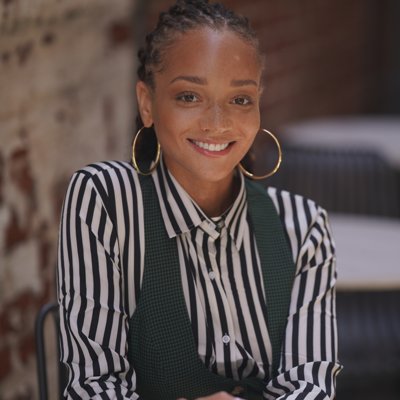
Erika Gardner, Founder and Chief Strategist, The Vibe Curator co.
Erika Gardner founded The Vibe Curator co. in 2016. She leads brand strategy, websites, email and SMS, and fractional CMO work for growing brands from offices in Houston and Atlanta.
Read Also