What a Fractional CMO Does in the First 90 Days
A month-by-month look at a fractional CMO's first 90 days: audit, strategy, 90-day plan, quick wins, dashboards and what you should expect to see.

In the first 90 days, a fractional CMO should audit your marketing and data, interview customers and your team, deliver a clear strategy and 90-day plan, secure a few quick wins, set up a simple dashboard and start leading execution. By day 90, you should know exactly what marketing is doing, why, what it costs and how you will measure it.
Key takeaways
- Days 1 to 30: listen, audit and find quick wins.
- Days 31 to 60: strategy, plan, budget and roles.
- Days 61 to 90: execute, measure and adjust.
- By day 90, you should have a plan, a dashboard and early momentum.
In this guide
What happens in days 1 to 30?
Listen and audit
- Interview the founder, leadership and front-line staff
- Talk to five to ten customers about why they bought
- Audit the brand, website, social, email, ads and sales process
- Review analytics, CRM data and past campaign results
- Map current spend, vendors and tools
Find quick wins
Every audit surfaces fixes that cannot wait: broken forms, missing follow-up emails, an outdated Google Business Profile, a confusing homepage headline. Fixing two or three of these builds trust and often pays for the first month. See signs your website is costing you customers for common ones.
What happens in days 31 to 60?
Strategy
- Sharpen positioning and messaging. See brand strategy vs brand identity.
- Pick the two or three channels that matter most
- Set measurable goals for the next quarter
Plan, budget and roles
- A 90-day plan with weekly priorities
- A budget that shows what to stop, start and continue
- Clear roles for in-house staff, freelancers and agencies
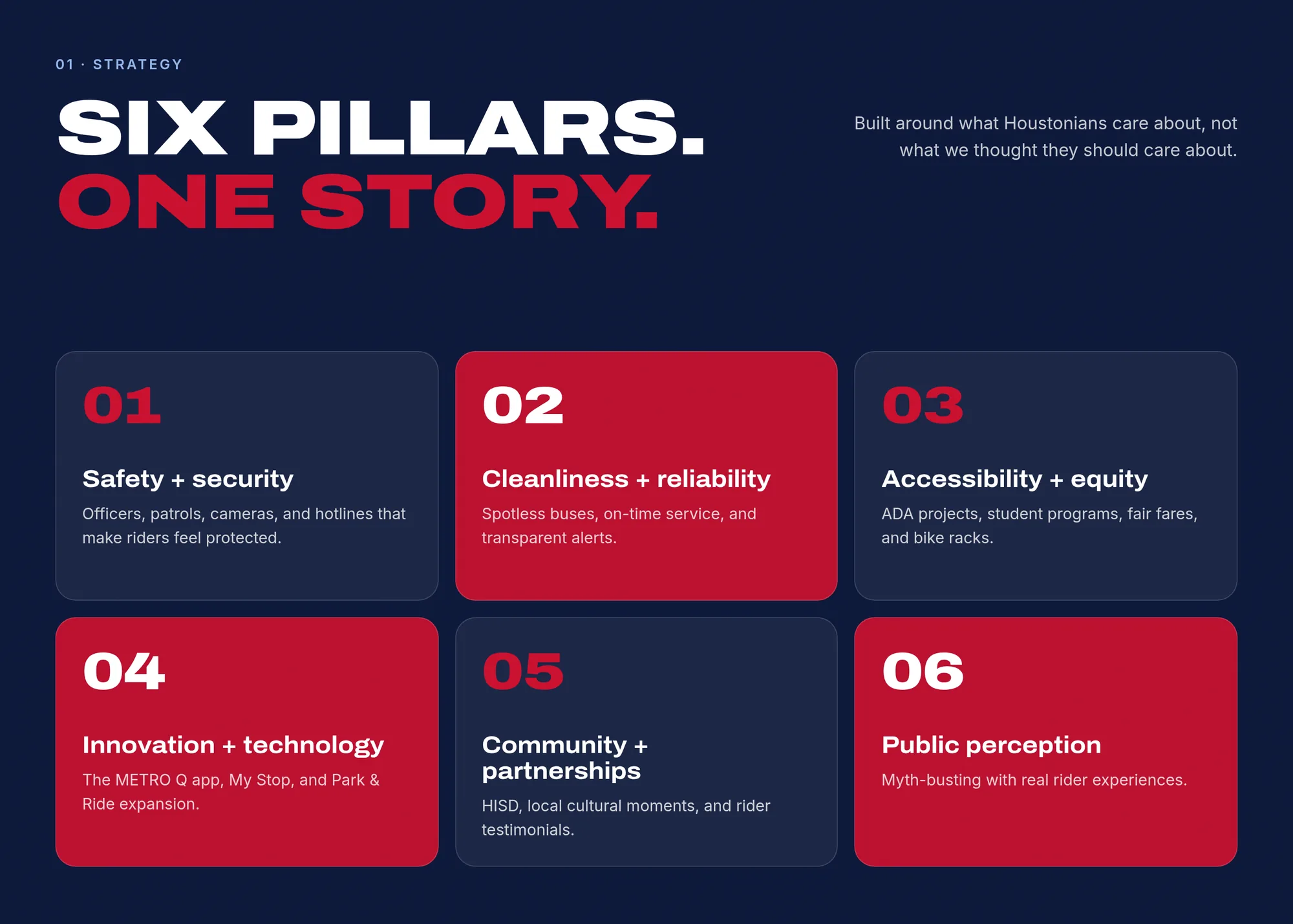
Scope clarity matters as much as strategy. In our fractional CMO engagement with Eventnoire, defining scope and pricing boundaries up front kept the work focused on the highest-value priorities.
What happens in days 61 to 90?
- Execution starts on the priority channels
- A simple dashboard goes live with three to five core metrics
- Weekly or biweekly check-ins with leadership
- First results are reviewed and the plan is adjusted
Common early priorities include setting up automated email flows (see the welcome email sequence), launching a focused social plan, or starting a creator program (see creator marketing).
What deliverables should you have by day 90?
| Deliverable | Why it matters |
|---|---|
| Audit summary | A shared, honest view of where you are |
| Strategy document | Positioning, audience, priorities and goals |
| 90-day plan | What happens, when and who owns it |
| Budget | Where money goes and what it should return |
| Dashboard | Three to five metrics reviewed regularly |
| Quick wins | Early proof the engagement is working |
What should you not expect in 90 days?
- A complete rebrand and new website, unless those were the priority from day one
- Search rankings, which typically take three to six months or more
- Every channel running at full speed. Focus beats coverage.
What does a good 90-day example look like?
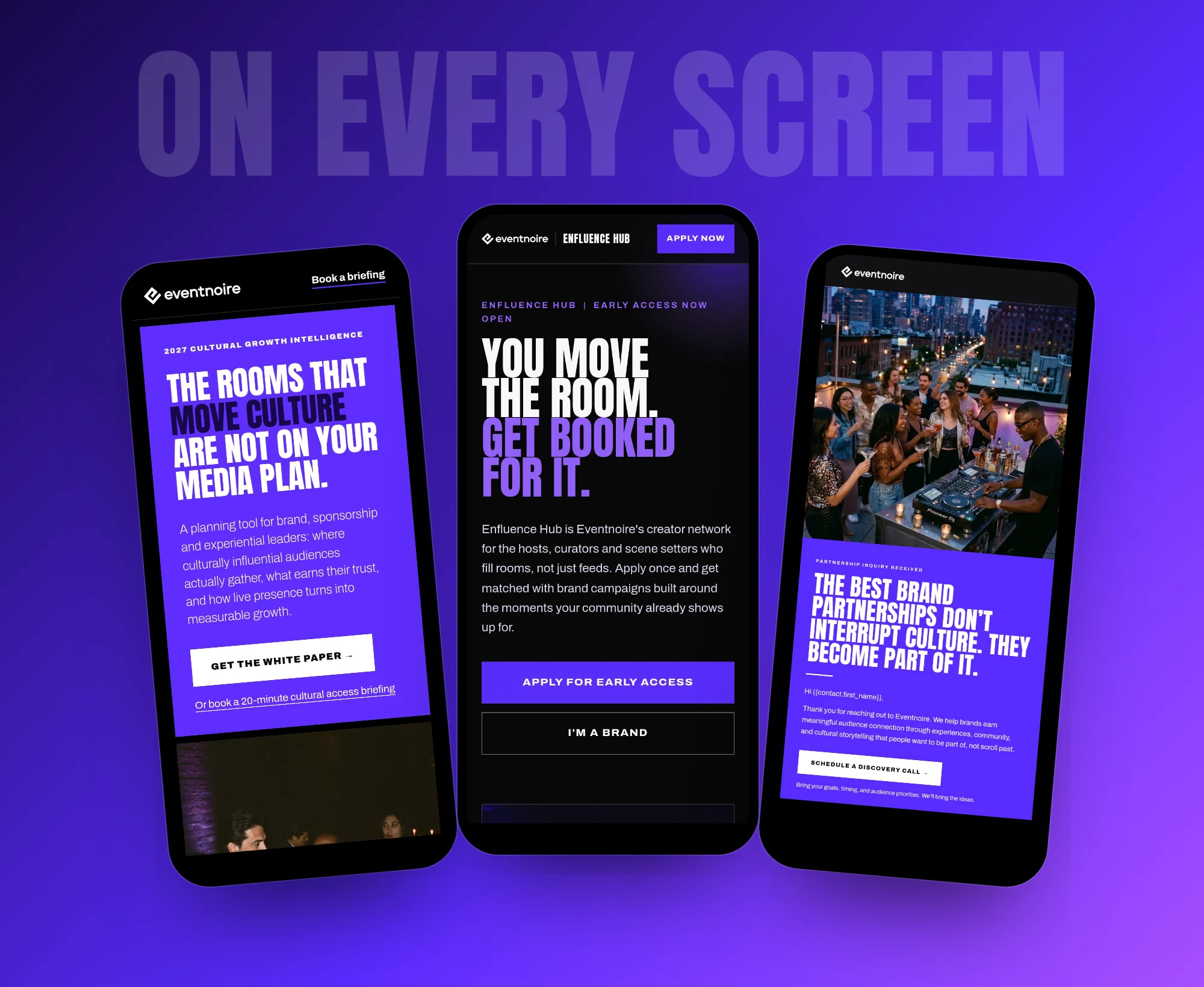
When we led social strategy for Houston METRO, a six-pillar content plan, a shift toward reels (which earned three to five times the engagement of carousels) and a UGC program took Instagram from 4.5K to more than 10K followers in under 90 days. The lesson for any fractional engagement: a focused plan on one or two channels, measured weekly, beats a scattered plan across many.
How do you prepare for a fractional CMO?
- Gather access to analytics, ad accounts, email platform, CRM and website
- List current vendors, tools and monthly costs
- Share past campaigns and results, good and bad
- Name an internal point of contact
- Agree on goals and how success will be measured
New to the model? Start with what a fractional CMO is and fractional CMO vs agency vs in-house. For brand-heavy priorities, see brand management for small businesses.
Frequently asked questions
How quickly should a fractional CMO show results?
You should see quick wins and a clear plan in the first 30 to 60 days. Measurable growth usually shows in months three to six, depending on the channels.
What should a fractional CMO deliver in the first month?
An audit, stakeholder and customer interviews, a list of quick wins and a first view of priorities.
How often should I meet with a fractional CMO?
Weekly or biweekly check-ins are common, plus a monthly review of results and a quarterly planning session.
Keep reading
What Is a Fractional CMO? Cost, Scope and When to Hire One What a fractional CMO does, how much one costs, what is included, when to hire one and how to tell if your business is ready.
Fractional CMO vs Marketing Agency vs In-House Hire Fractional CMO vs marketing agency vs in-house marketing hire: costs, strengths, risks and a simple way to choose the right model for your stage.
Welcome Email Sequence: Examples and a 5-Email Template A proven 5-email welcome sequence template for small businesses, with timing, subject line ideas, examples and benchmarks for clicks and revenue.
Brand Management for Small Businesses: How to Keep Your Brand Consistent What brand management means for small businesses, who should own it, the systems that keep a brand consistent and when to bring in outside help.
Need senior marketing leadership without a full-time hire?
Our fractional CMO engagements start at $5,000 a month and include strategy, planning and hands-on oversight.

Erika Gardner, Founder and Chief Strategist, The Vibe Curator co.
Erika Gardner founded The Vibe Curator co. in 2016. She leads brand strategy, websites, email and SMS, and fractional CMO work for growing brands from offices in Houston and Atlanta.
Read Also


