The Creator Canvas Is Now a CMO Decision
Advertising Week made the shift clear: creators, AI and community now shape the whole marketing system, not just the content calendar.
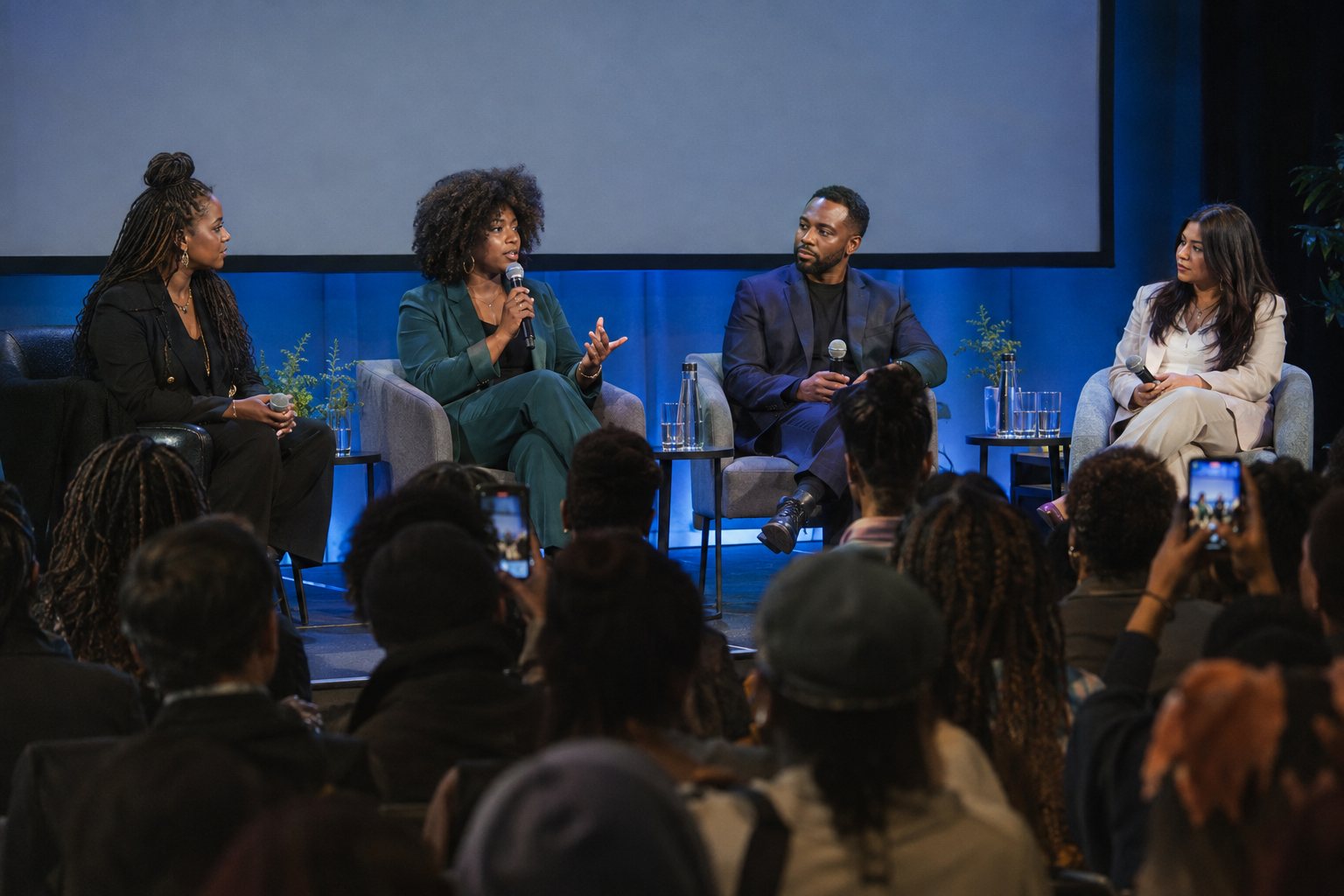
At Advertising Week New York, marketers from Chili's, Disney, Alaska Airlines, Target, JPMorgan Chase and Revlon were talking about the same pressure from different angles: the creator canvas has expanded, AI is changing how advertising gets made, and brands still need a credible way to connect with younger audiences. Source
That is the timely signal for founders and marketing leads. The work of marketing leadership is moving further away from choosing isolated tactics. It is becoming the work of building a system that can listen to culture, make decisions quickly, and still sound like the brand.
What this moment really signals
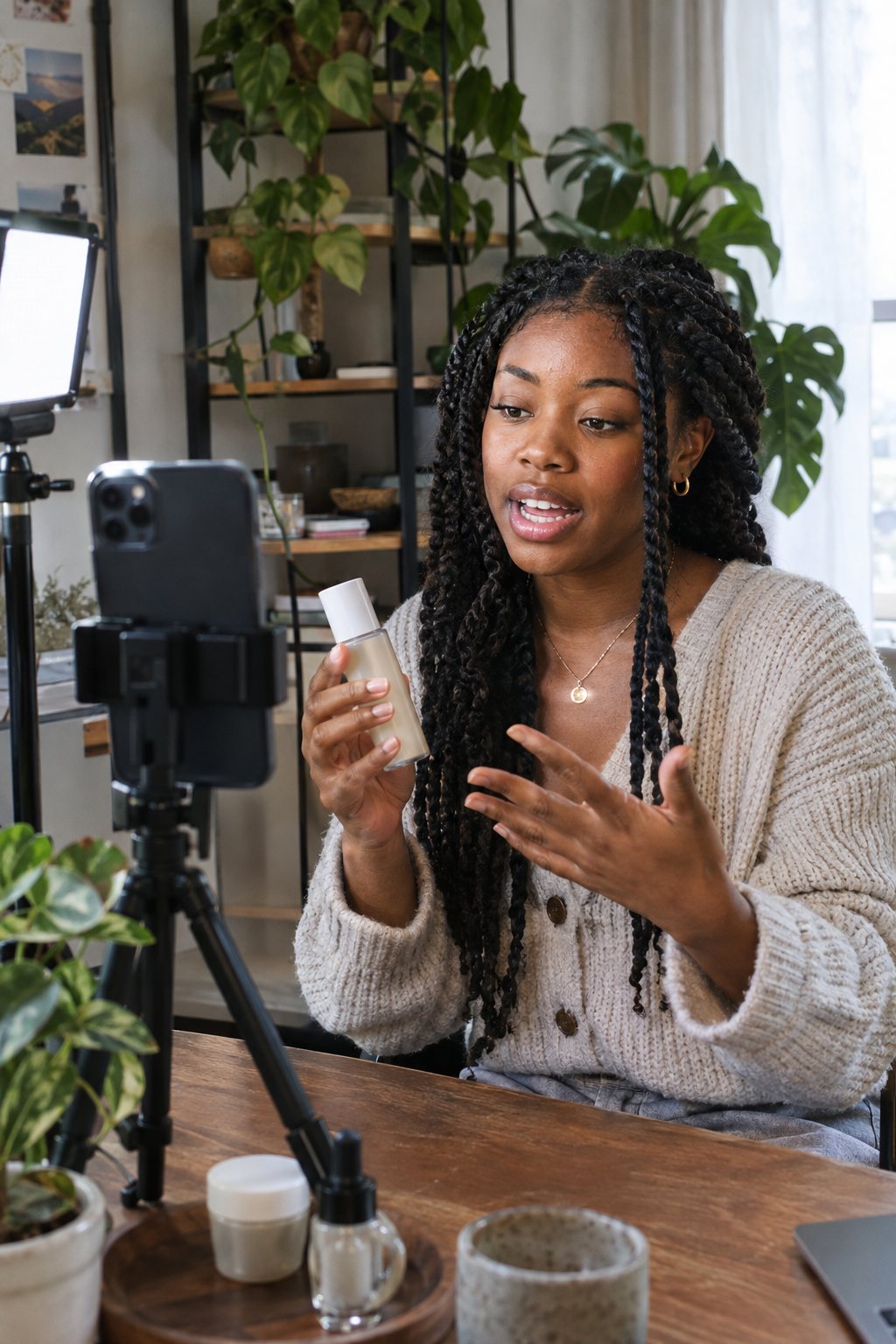
Creators are no longer just distribution partners. They can be strategists, hosts, product translators, community builders and cultural connectors. Advertising Week coverage pointed to brands exploring creators across a broader canvas, while conversations also focused on Gen Z, Gen Alpha, AI and co-viewing. Source
That does not mean every small brand needs a large creator budget or an AI content machine. It means the old sequence, brief an agency, produce a campaign, publish it, report impressions, is too slow and too narrow for how people now discover and discuss brands.
The strongest opportunity is not to imitate whatever is trending. It is to identify the specific communities already adjacent to your business, then give them a useful reason to participate.
What most brands will get wrong
- They will confuse visibility with relevance. A famous face or popular format can create attention without creating trust, preference or sales.
- They will hand creators a script. Creator partnerships work better when the brand protects the business objective and the creator retains a real point of view. Marketing Dive reported that marketers at Advertising Week discussed the importance of balancing content and activations, not simply producing more content. Source
- They will use AI to multiply mediocre thinking. Faster production cannot fix a vague position, weak offer or unclear audience.
- They will measure the wrong layer. Reach matters, but so do saves, qualified visits, repeat purchases, replies, sign-ups and the quality of conversations around the brand.
- They will chase culture without a point of view. Participation only works when the brand has something specific to contribute.
A practical playbook for this month
1. Write the one-page growth brief. Name the audience, the business goal, the offer, the proof and the action you want people to take. Keep it concrete. More awareness is not a strategy.
2. Map three communities. Choose one customer community, one professional or interest-based community, and one local or cultural community. Note who they trust, what they talk about, where they gather and what your brand can add.
3. Build a creator shortlist for fit. Start with five to ten people whose audience already has a reason to care about your category. Review their comments, not only their follower count. Look for clarity, consistency and genuine audience response.
4. Design one repeatable format. Give the partnership a structure that can run for four weeks: a founder conversation, product ritual, field test, community spotlight or customer question series. A repeatable format creates learning. One-off posts usually create noise.
5. Use AI behind the scenes. Apply it to audience-question clustering, content repurposing, briefing, transcript cleanup and reporting. Keep the strategy, claims, cultural judgment and final voice human.
6. Set a weekly decision rhythm. Review what earned attention, what drove action and what created useful feedback. Then decide what to stop, continue and test next. This is where fractional CMO leadership matters most: translating signals into priorities before the team gets pulled into another disconnected idea.

How we would play it
We would borrow the community-first discipline behind Spotify x Patagonia, then scale it to the brand's actual resources. Start with a clear shared belief, find the people already living it, and create a useful experience around that connection. The goal would not be to look culturally busy. It would be to make the brand easier to recognize, easier to trust and easier to choose.
This is the kind of decision our fractional CMO partnership is built for: setting the system, choosing the right creators and keeping the brand voice intact. For the production side, see our digital and content work, and read how to turn the creator canvas into a content system.
Want a second set of eyes on your creator strategy? Book a conversation here.
Sources
https://www.marketingdive.com/news/what-marketers-need-to-know-from-advertising-week-new-york-2026/833139/
Read Also